Interview with Michellar about her single “Love Peace War (Acoustic Remix)”
Antes del lanzamiento de su próximo EP Homegrown, Michellar presenta Love Peace War (acoustic remix), una canción que nace de una mirada personal sobre el mundo actual. Con una base acústica directa y una letra que habla de conflictos, esperanza y naturaleza humana, la artista vuelve a mostrar ese lado íntimo que caracteriza muchas de sus composiciones.
La cantautora de San Francisco viene de un período especialmente productivo, con decenas de canciones publicadas en poco tiempo y una nueva etapa creativa que sigue tomando forma. En esta conversación, Michellar habla sobre el origen de la canción, el proceso de grabación junto al productor Robi Bean y lo que se viene en Homegrown, un EP que promete mantener ese enfoque acústico y cercano.
1- ¿Love Peace War tiene un mensaje fuerte. Cuando terminaste la canción, qué fue lo primero que sentiste al escucharla completa?
Love Peace War has a strong message. When you finished the song, what was the first thing you felt when you listened to it back?
SPA: Me sentí triste al escribir todas esas letras cuando la escuché de nuevo. El sentimiento era fuerte y me sentí abrumada porque no estaba segura de si quería compartirla. Soy una persona muy tímida y esas palabras tenían mucho para decir.
ENG: I felt sad to write all those lyrics down after I listened to it back. The sentiment was strong and I felt overwhelmed because I wasn’t sure if I even want to share it. I’m a very shy person and those words had a lot to say.
2- ¿Este tema también abre el camino para tu próximo EP Homegrown. Sentís que marca el tono de lo que viene en ese proyecto?
This track also leads into your upcoming EP Homegrown. Do you feel it sets the tone for what’s coming on that project?
SPA: Va a marcar el tono de lo que viene. La mayoría de las canciones tendrán mensajes sobre el cambio climático, la naturaleza y la esperanza de un futuro mejor.
ENG: It will set the tone to what’s coming. Most of the songs will have messages about climate change, nature and hope for a better future.
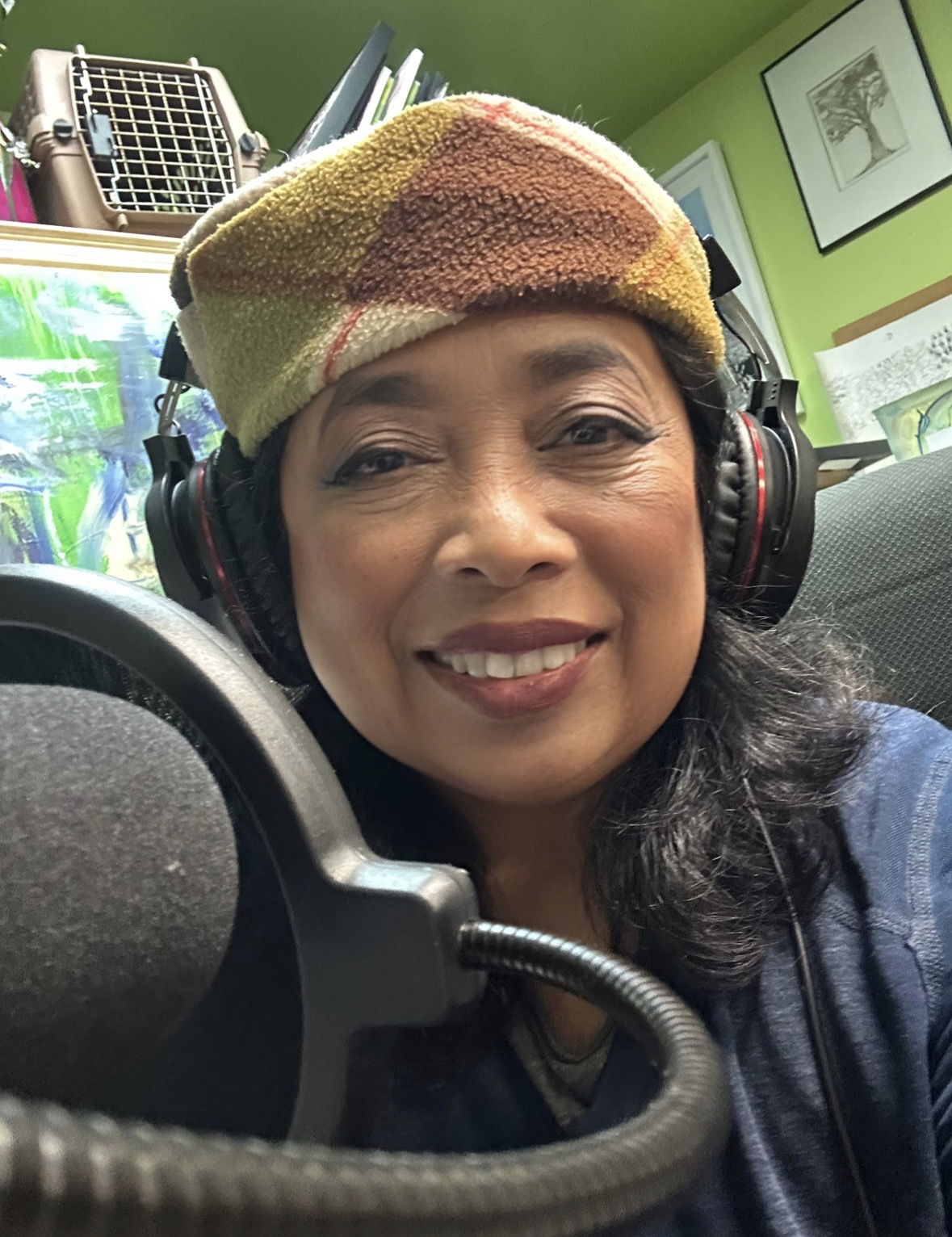
3- ¿Hubo alguna línea de la letra que te haya costado más escribir o terminar?
Was there any line in the lyrics that was harder to write or finish?
SPA: La línea sobre los suicidios fue la que más me impactó, porque en los últimos años conocí a muchas personas que se vieron afectadas por el suicidio. Eso muestra que el mundo se ha vuelto tan caótico que la vida parece importar cada vez menos.
ENG: The line about suicides strike me the most because I felt that in the past few years I have known so many people who have been affected by suicide. It just shows that the world had become so chaotic that life didn’t matter much anymore.
4- ¿Cuando la llevaste a una versión acústica cambió de alguna forma la emoción de la canción?
When you turned it into an acoustic version, did the emotion of the song change in any way?
SPA: No, porque la canción empezó siendo una versión acústica. Volver a esa versión simplemente se sintió más natural. Refleja exactamente cómo me sentía cuando la escribí.
ENG: No… because it started out as an acoustic version. Coming back to this version just felt more grounded. It lands the way I felt when I wrote it.
5- ¿En el EP aparecen canciones como Daffodils, Wildflower y The Message. Hay alguna que tenga una historia especial detrás?
The EP includes songs like Daffodils, Wildflower and The Message. Is there one that has a special story behind it?
SPA: Wildflower y The Message tienen una historia detrás. Como jardinera, la naturaleza siempre fue algo que me da equilibrio en la vida. Cuando la naturaleza te enseña lo que realmente importa, tenés que prestar atención, porque esas lecciones pueden pasar de una generación a otra.
ENG: Wildflower and The Message has a story behind them. As a gardener, nature has always been my grounding element in life. When nature teaches you what’s important, you have to pay attention because those lessons will hopefully take your message from one generation to another.
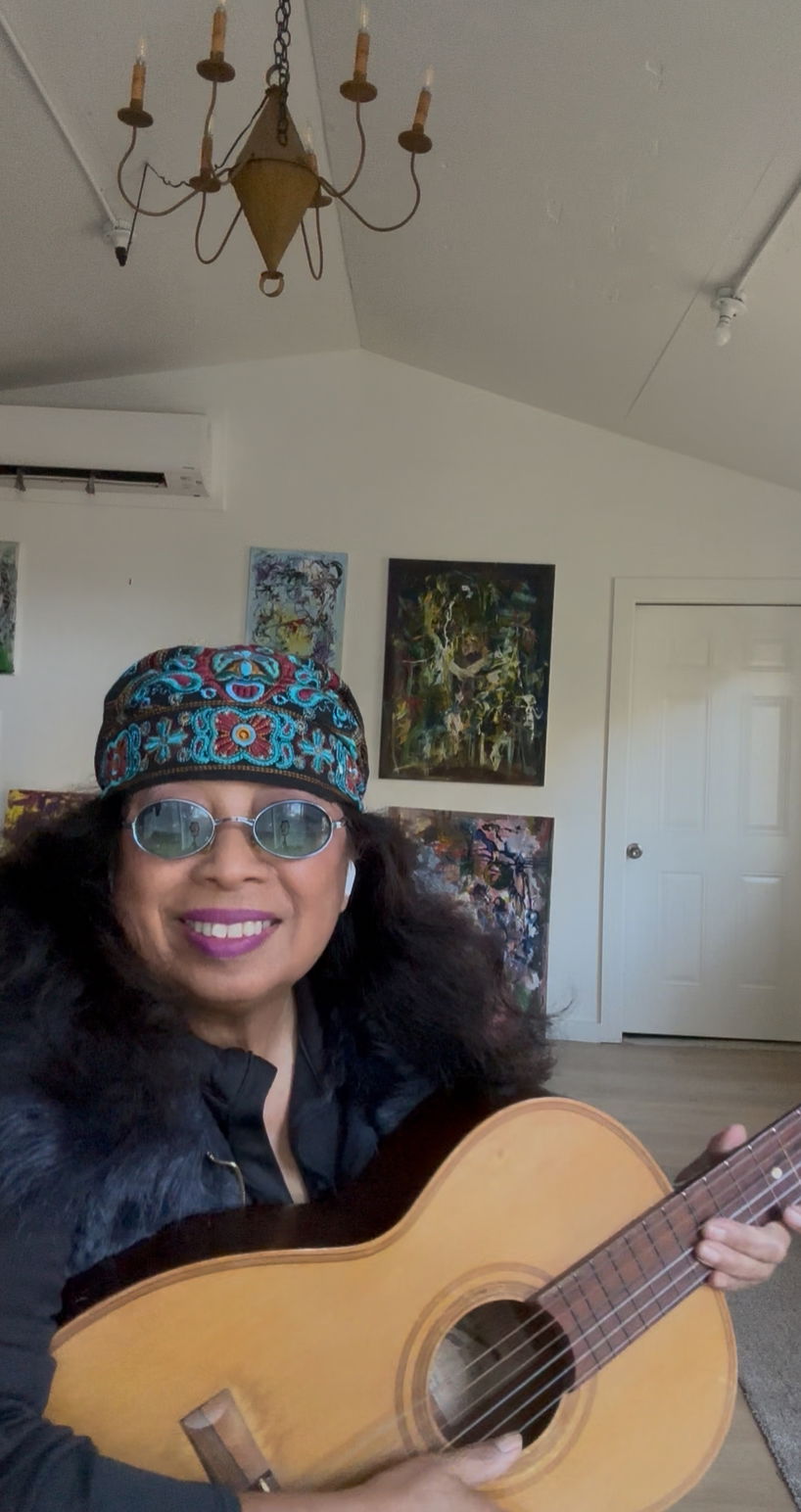
6- ¿Cómo fue grabar en el estudio con Robi Bean y trabajar juntos en la voz y el ritmo de la canción?
What was it like recording in the studio with Robi Bean and working together on the vocals and the pacing of the track?
SPA: Robi fue fundamental para producir el sonido de esta canción. Yo tenía una idea y él sintió que esa visión coincidía con la suya. Cuando llegué al estudio para grabarla, él ya conocía la canción mejor que yo: cómo debía cantarse, cómo arreglarla y cómo presentarla al público. Lo aprecié mucho porque yo era nueva en la industria. Él ha tocado en muchos lugares como baterista y ha trabajado con varios artistas y productores antes.
ENG: Robi was elemental in producing the sound of this track. I had a vision and he felt that the vision aligns with his. By the time I came in to record the song, he knew more about the song than I did, the way it is supposed to be sung, arranged and delivered to the audience. I appreciated that because I was a newbie in the industry. He has played in many venues as a drummer and he has collaborated with many artists and producers in the past.
7- ¿Cuando te sentás a escribir, las ideas salen rápido o volvés muchas veces a la misma canción?
When you sit down to write, do ideas come quickly, or do you tend to revisit the same song many times?
SPA: Las ideas llegan muy rápido. Normalmente termino una canción en unas dos horas. Ese momento creativo es inestable, así que cuando estoy dentro de ese estado intento terminar al menos la idea principal para poder volver a ella después si hace falta.
ENG: The ideas come very quickly. I finish songs in about 2 hours on average. The zone is fickle, so when I am inside that zone I need to finish at least the main concept of the song so I can easily go back to it if I need to.
8- ¿Después de lanzar tantas canciones en poco tiempo, sentís que estás entrando en una nueva etapa como compositora?
After releasing so many songs in a short time, do you feel like you’re entering a new stage as a songwriter?
SPA: Sí, lo siento así. Quiero seguir perfeccionando este oficio. Hay muchas formas de hacerlo: colaboraciones, práctica, nuevas perspectivas. Escuchar otras canciones y trabajar con artistas y productores que tienen más experiencia suma mucho a mi paleta creativa. Me entusiasma porque es otra forma de arte que siempre quise hacer y que pensé que había dejado atrás. Desde que volvió a mi vida, estoy completamente dedicada a esto: escribo y toco la guitarra todos los días que puedo. De hecho, me volví un poco adicta a crear música y cambió mi vida por completo.
ENG: Yes, I do. I want to hone this craft. There are many ways to do it that I’m finding out: collaborations, practice, perspectives. Listening to other songs and working with other artists and producers who have been there before me adds to my palette that I can form and paint in many interpretations. I am very excited about it because it’s another form of art that I have always wanted to do and thought I had forgotten. But since it returned, I have been engaging with it constantly, writing and playing my guitar every day whenever I can. In fact, I’ve become addicted to it and it has completely changed my life.
VIsita sus cuentas: Website, SoundCloud, BandCamp, Instagram y Facebook.