Interview with SLAPPER about his single "The Break of Day"
SLAPPER vuelve con The Break of Day, un tema que mira bastante al sonido trance melódico de finales de los 90 y principios de los 2000. Es de esos tracks pensados para el momento en que la noche ya está terminando y la música empieza a sentirse distinta, más abierta, más luminosa. No es casual que el título apunte justo a ese instante.
En esta charla hablamos sobre cómo nació la canción, qué lugar ocupa después de Hope y Into the Light, y cómo fue el proceso de producción detrás del track. También aparece el momento que está viviendo ahora y cómo eso se termina filtrando en la música, incluso cuando el objetivo sigue siendo simple. Hacer canciones que se sientan bien cuando suenan fuerte.
1- ¿Cuándo empezó a tomar forma The Break of Day?
When did The Break of Day start to take shape?
ESP: “The Break of Day” y "Into the Light" en realidad empezaron a tomar forma durante el período de las fiestas, alrededor de Navidad y Año Nuevo. Tuve unos días tranquilos en casa y por fin tiempo para enfocarme en la música sin presión. La música es una verdadera pasión para mí, aunque mi trabajo principal está en un campo completamente diferente, así que esos momentos de tiempo libre son muy valiosos. Durante ese pequeño descanso empecé a trabajar en nuevas ideas y, para mediados de enero, las dos canciones que creé en ese período ya estaban listas para lanzarse.
ENG: “The Break of Day” and "Into the Light" actually started to take shape during the holiday period around Christmas and New Year’s Eve. I had a few quiet days at home and finally the time to focus on music without any pressure. Music is a real passion for me, even though my main job is in a completely different field, so those moments of free time are very precious. During that short break I started working on new ideas, and by mid-January both songs I created during that period were already prepared for release.
2- Después de Hope y Into the Light, ¿sentís que este single abre una nueva etapa para SLAPPER?
After Hope and Into the Light, do you feel this single opens a new phase for SLAPPER?
ESP: Sí, creo que abre una nueva etapa. Para mí, el álbum Hope se sintió como el capítulo final de lo que a veces llamo una “Trilogía del dolor” personal, junto con "Music Box Memories" y "Mirrors". Esos discos fueron creados durante un período difícil de mi vida, cuando estaba lidiando con emociones más oscuras y usando la música como una forma de procesarlas.
Con "Hope" sentí que finalmente estaba llegando a un punto donde las cosas empezaban a cambiar. Y ahora, con singles como "Into the Light" y "The Break of Day", la sensación es más de seguir adelante. De una manera simbólica, esos títulos ya dicen mucho: luz, amanecer, un nuevo comienzo.
Siento que ahora estoy en una especie de etapa de recuperación mental, tratando de volver a apreciar los buenos momentos de la vida. Musicalmente no voy a cambiar mi sonido de forma drástica, pero quizás este año se escuchen más temas pensados para noches de club. Al mismo tiempo, siempre voy a mantener el lado emocional de mi música, a veces más cerca del synthpop o de la electrónica melódica, porque ese equilibrio está realmente en el corazón de lo que es SLAPPER.
ENG: Yes, I think it does open a new phase. For me, the album Hope felt like the closing chapter of what I sometimes call a personal “Trilogy of Pain”, together with "Music Box Memories" and "Mirrors". Those records were created during a difficult period in my life, when I was dealing with darker emotions and using music as a way to process them.
With "Hope", I felt like I was finally reaching the point where things started to change. And now, with singles like "Into the Light" and "The Break of Day", the feeling is more about moving forward. In a symbolic way, those titles already say a lot — light, sunrise, a new beginning.
I feel like I’m in a kind of mental recovery stage now, trying to appreciate the good moments in life again. Musically I won’t change my sound drastically, but you might hear more tracks this year that are designed for club nights. At the same time, I’ll always keep the emotional side of my music, sometimes closer to synthpop or melodic electronic music, because that balance is really at the heart of what SLAPPER is about.
3- ¿Por qué elegiste el título The Break of Day?
Why did you choose the title The Break of Day?
ESP: Como mencioné antes, sentí que "Into the Light" y "The Break of Day" eran títulos perfectos para este nuevo capítulo. Ambos transmiten la idea de un nuevo comienzo. Para mí, "The Break of Day" es una imagen simple pero poderosa: el momento en que la noche termina y aparece la primera luz. Es como si el sol estuviera esperando que despiertes para empezar el día con una sonrisa. Después de un período más oscuro en mi vida, esa sensación de amanecer se volvió un símbolo muy natural de dónde estoy ahora.
ENG: As I mentioned before, I felt that "Into the Light" and "The Break of Day" were perfect titles for this new chapter. Both of them carry the idea of a new beginning. For me, "The Break of Day" is a simple but powerful image — the moment when the night ends and the first light appears. It’s like the sun waiting for you to wake up and start the day with a smile. After a darker period in my life, that feeling of sunrise became a very natural symbol for where I am now.
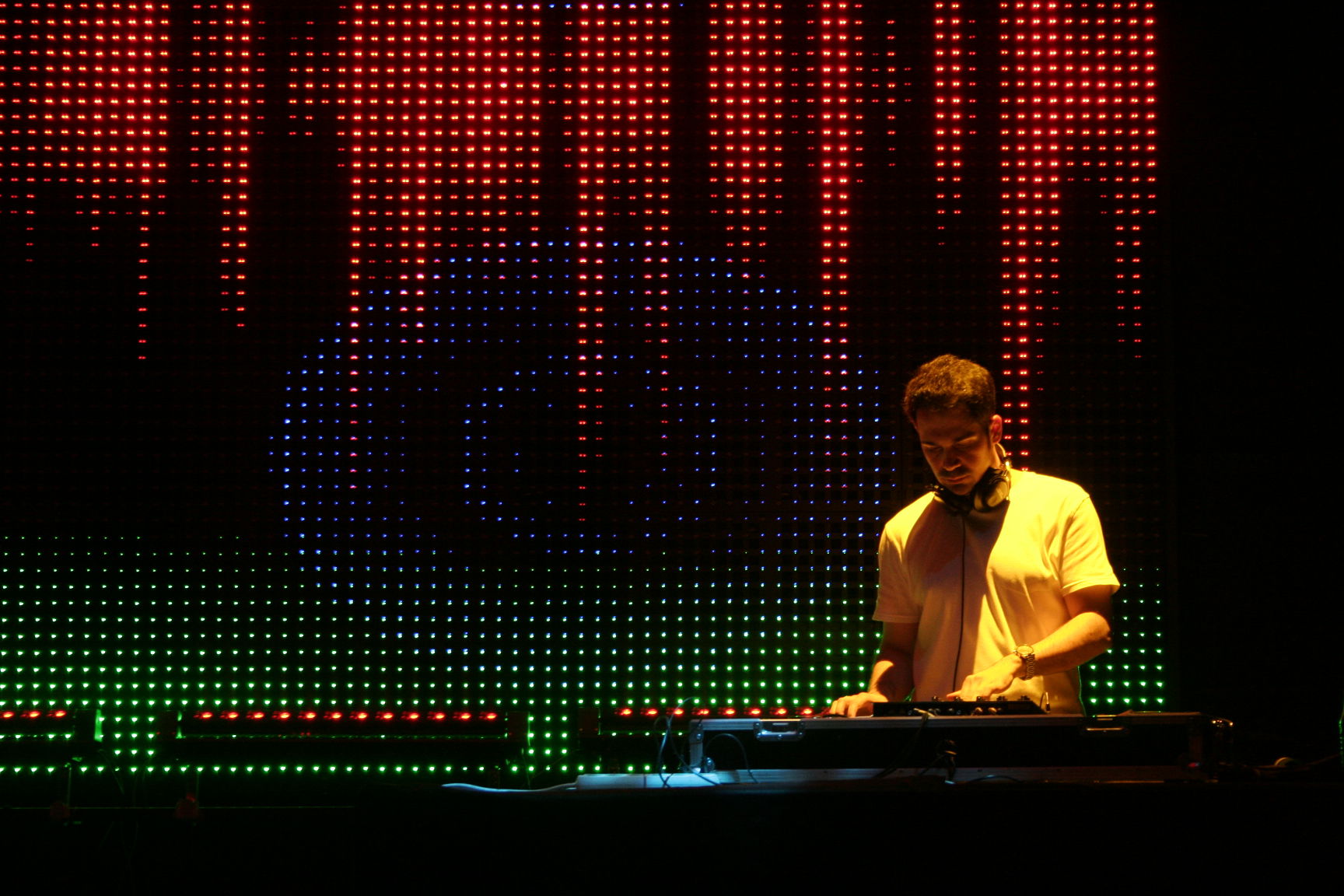
4- Hay un momento donde el tema realmente empieza a abrirse. ¿Esa parte apareció rápido o llevó tiempo construirla?
There’s a moment where the track really starts to open up. Did that part come quickly, or did it take time to build?
ESP: En realidad, todo el tema se construyó alrededor de ese momento. Desde el principio tenía esta idea melódica que quería expandir hacia algo más grande, casi como una “explosión de sintetizadores”. Después de eso, la mayor parte del trabajo fue pulir la estructura de la canción para que ese momento realmente se destacara y se sintiera como una liberación de energía. En el uplifting trance, esas aperturas emocionales son muy importantes, así que dediqué tiempo a moldear el arreglo para que esa parte se sintiera lo más potente posible.
ENG: Actually, the whole track was built around that moment. From the beginning I had this melodic idea that I wanted to expand into something bigger, almost like a “synth explosion”. After that, most of the work was about polishing the structure of the song so that this moment could really stand out and feel like a release of energy. In uplifting trance, those emotional openings are very important, so I spent some time shaping the arrangement to make that part as powerful as possible.
5- ¿Qué tiene este tema que tus singles anteriores no tenían?
What does this track have that your previous singles didn’t?
ESP: Creo que este tema está un poco más orientado al baile que algunos de mis singles anteriores. En el pasado, muchas de mis canciones estaban construidas alrededor de capas de sintetizadores más pesadas y a veces tonos más oscuros. Con The Break of Day quería algo más ligero y abierto, algo que se sintiera más cerca de la energía de una pista de baile, pero manteniendo el lado emocional de mi música. Tiene una atmósfera más brillante y una sensación de movimiento que lo hace encajar de forma natural con ese momento uplifting del amanecer.
ENG: I think this track is a bit more dance-oriented than some of my previous singles. In the past, many of my songs were built around heavier synth layers and sometimes darker tones. With The Break of Day, I wanted something lighter and more open, something that feels closer to the energy of a dancefloor while still keeping the emotional side of my music. It has a brighter atmosphere and a sense of movement that makes it naturally more suited for that uplifting, sunrise moment.
6- ¿Mientras lo producías hubo alguna parte que cambió mucho en el camino?
While producing it, was there any part that changed a lot along the way?
ESP: Sí, la batería cambió bastante durante el proceso de producción. Probé varios kicks y snares diferentes antes de encontrar la combinación correcta. Para este tema quería algo que funcionara bien con un groove más orientado al melodic house o trance, mientras que muchas de mis canciones anteriores usan patrones de batería más cercanos al new wave o al synthpop. Así que la sección rítmica llevó algo de tiempo en refinarse, pero era importante encontrar ese equilibrio entre la energía de pista y la atmósfera melódica del tema.
ENG: Yes, the drums changed quite a lot during the production process. I experimented with several different kicks and snares before finding the right combination. For this track I wanted something that would work well with a more melodic house or trance-oriented groove, while many of my previous songs use drum patterns that are closer to a new wave or synthpop style. So the rhythm section took a bit of time to refine, but it was important to get that balance between dancefloor energy and the melodic atmosphere of the track.
7- Cuando terminaste el tema y lo escuchaste de principio a fin, ¿qué fue lo primero que pensaste?
When you finished the track and listened to it from start to finish, what was the first thing you thought?
ESP: Para ser honesto, la primera reacción fue una mezcla de emoción y duda. Cuando escuché el tema completo, inmediatamente empecé a hacerme preguntas: ¿es una buena decisión cambiar un poco el sonido? ¿Podría confundir a mi audiencia? ¿Estoy arriesgando perder algunos oyentes o tal vez ganar nuevos?
Creo que muchos artistas experimentan ese momento de incertidumbre después de terminar una canción. A veces se siente como un pequeño ataque de pánico creativo. Pero después de un tiempo entendí que explorar direcciones un poco distintas es parte de crecer como artista, y eso es lo que mantiene la música viva.
ENG: To be honest, the first reaction was a mix of excitement and doubt. When I listened to the track from start to finish, I immediately started asking myself questions: Is it a smart move to change the sound a little bit? Could this confuse my audience? Am I risking losing some listeners, or maybe gaining new ones?
I think many artists experience that moment of uncertainty after finishing a song. Sometimes it feels like a small creative panic attack. But after a while, I realized that exploring slightly different directions is part of growing as an artist, and that’s what keeps the music alive.
Visita sus cuentas: Website, Facebook, X, Spotify, SoundCloud, BandCamp, YouTube, Instagram y TikTok.