Interview with Whiskey General about his album "Mooreish"
Whiskey General llega con su album Mooreish. El disco funciona como un punto de balance entre recorrido, pérdidas y una forma de escribir canciones que hoy prioriza la contención antes que el exceso. En esta entrevista, Jay habla de sus inicios, del aprendizaje que solo da el vivo, de cómo cambió su relación con la escritura y del peso emocional detrás de Mooreish, un álbum atravesado por la figura de Bob Moore y por la decisión de cerrar una etapa para abrir otra.
1- Cuando miras al Jay de los primeros años, ¿Qué cosas sentís que todavía siguen vivas en Whiskey General hoy?
When you look back at the Jay from your early years, what parts of him do you still hear in Whiskey General today?
(ESP): Todavía escucho al chico del coro, al pibe inquieto obsesionado con las armonías y la emoción. Eso no desapareció. Incluso cuando la música se vuelve más pesada o más caótica, sigue estando ese tironeo hacia el sentimiento y la tensión. Creo que recién ahora aprendí a dejar que eso se cocine a fuego lento en lugar de desbordarse por todos lados.
(ENG): I still hear the choir boy, the restless lad obsessed with harmonies and emotion. That hasn’t gone away. Even when the music gets heavier or messier, there’s still that pull towards feeling and tension. I think now I’ve only just learned how to let it simmer rather than spill everywhere.
2- Tocaste en escenarios y situaciones muy distintas. ¿Qué cosas solo se aprenden tocando en vivo y no grabando canciones?
You’ve played in a lot of different places and situations. What are the things you only learn from playing live, not from recording songs?
(ESP): Tocar en vivo te enseña humildad muy rápido. Depende mucho de dónde toques. En Gran Bretaña, por ejemplo, no podés ser arrogante en el escenario porque enseguida te bajan a tierra. En Estados Unidos disfrutan más del showman. En India, la gente te canta las letras, así que tenés que estar muy fino. En Kuwait, cuando tocamos en un show privado, nos sorprendió cuánto aman el buen rock los chicos formados en occidente. Ahí aprendes qué funciona de verdad y qué no. Una sala te dice la verdad al instante. Grabar, en cambio, puede mentirte un poco. El vivo no. Si tocara Mooreish en vivo, sonaría más a The Clash o Led Zeppelin tocando que a las versiones pulidas del disco. El vivo es conexión. Grabar es perfección.
(ENG): Playing live teaches you humility very quickly. I think it depends where you play, really. In Britain, for example, one can’t be arrogant on stage, because you’ll be put in your place quite quickly. In America, they love a bit of a showman. In India, people will sing your lyrics back to you, so you need to be on point. In Kuwait, when we played a private gig there, we were surprised by how much the western-educated kids loved good rock music.You learn what actually lands and what doesn’t. A room will tell you the truth instantly. Recording, on the other hand, can lie to you a bit. Live music doesn’t. For example, if I were to play Mooreish live, it would sound more like The Clash or Led Zeppelin playing rather than the polished songs you hear. Live music is about connection. Recording is about perfection.
3- ¿Sentís que hoy escribís canciones desde un lugar distinto al de tus comienzos? ¿En qué cambió tu forma de encarar eso?
Do you feel like you write songs from a different place now compared to when you started? How has your approach changed?
(ESP): Totalmente. Al principio estaba tratando de demostrar algo, lamentablemente a otros. Por eso mis letras eran flojas y mis frases apuradas y amateur. Es parte del proceso. Hoy me interesa más ser honesto conmigo mismo y mantener la contención. Mis coautores, ya sea Rich, Jack o Maw, con quien voy a trabajar en un próximo tema, se aseguran de que no me desvíe. Me importa menos mostrar lo “inteligente” que es algo y más si realmente es necesario para la canción. También me siento más cómodo dejando que las canciones respiren, incluso cuando va en contra de mi instinto de sobretrabajarlas. Me encanta sobreproducir, y todavía me cuesta recortar.
(ENG): Absolutely. Earlier on, I was trying to prove something, unfortunately to others. My lyrics therefore were poor, my phrasings were amateurish and hurried. But that comes with the territory. Now I’m more interested in honesty to myself and maintaining restraint. My co-songwriters, whether Rich, Jack or Maw, who I’ll be working with on an upcoming track, ensure that I stay the course.I’m less concerned with showing how clever something is and more interested in whether it is necessary for the song. I’m also more comfortable letting songs breathe, even if that goes against my instinct to overwork them. I love overproducing stuff, and even after all these years, it’s difficult to cut down.
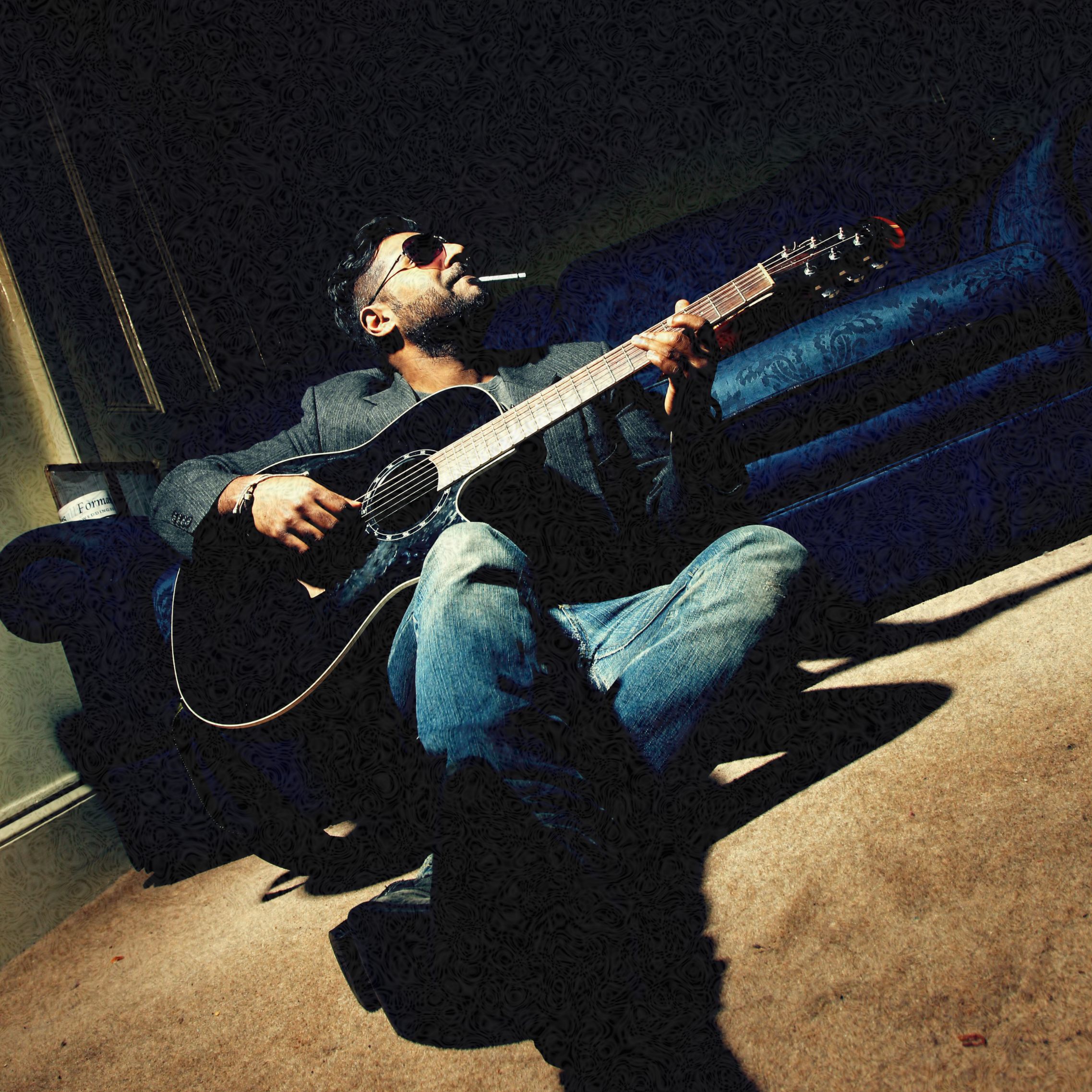
4- Cuando te sentás a escribir, ¿qué es lo que más te mueve a terminar una canción y decir “acá hay algo”?
When you sit down to write, what’s the thing that makes you finish a song and think, “there’s something here”?
(ESP): Depende mucho de mi estado de ánimo y de si la idea me agarra en el momento justo. Camino mucho con mi perro y a veces me aparece una melodía vocal, la grabo en el teléfono y después la desarrollo en casa. Si hay algo ahí, normalmente termino el esqueleto de la canción. Si una frase me hace frenar, emocionarme o quedarme quieto un segundo, sé que vale la pena seguir. Si todo sale demasiado fácil, desconfío y la descarto rápido. Cuando una canción deja algo sin resolver, sé que es ahí donde vale la pena insistir.
(ENG): It usually depends on my mood and whether the idea catches me at the right time, if that makes sense. I walk my dog a lot and sometimes I get a vocal melody and record it on my phone. I then go home and explore it, and normally, if there is something there, I’ll finish the skeleton of the song.If a line makes me pause, feel emotional, or sit back for a second, that’s when I know I should follow it. If it feels too easy, I’m suspicious and almost instantly forget about it. When a song leaves a bit unresolved, that’s when I know it’s worth finishing.
5- Bob Moore está muy presente en este disco. ¿Qué aprendiste de él que todavía llevás con vos cuando hacés música?
Bob Moore is very present throughout this record. What did you learn from him that you still carry with you when you make music?
(ESP): Bob Moore era una persona humilde, un guitarrista increíble y un amigo honesto. Trabajó más con Rich que conmigo, ya que estuvieron firmados juntos en los 90. Rich me lo presentó en un show en 2018 y sentí algo inmediato al conocerlo. Cuando grabamos el video de Truth and Lies, sabíamos que le quedaba poco tiempo. Su pérdida se sintió muchísimo, sobre todo cuando esparcimos sus cenizas en el Támesis. El disco iba a llamarse Moorish, pero por Bob lo llamamos Mooreish. Sigue vivo a través de sus guitarras y amplificadores, que todavía uso para grabaciones futuras. Una parte de él siempre va a viajar con nosotros.
(ENG): Bob Moore was a humble person, a badass guitarist, and an honest friend. He worked more with Rich than with me, as they were signed together in the 90s. Rich introduced me to Bob during one of our gigs in 2018. Instantly, I felt something when I met him.When we recorded the music video for Truth and Lies together, we knew his days were numbered. His loss was deeply felt, especially when we dispersed his ashes in the Thames. Mooreish was originally going to be called Moorish, but for Bob, we named the album Mooreish.He lives on through his guitars and amps, which I still use for future recordings. A part of him will always travel with us.
6- Con todo lo que ya viviste arriba y abajo del escenario, ¿qué es lo que todavía te empuja a seguir escribiendo canciones?
After everything you’ve lived through on and off the stage, what still pushes you to keep writing songs?
(ESP): Escribir es la forma en la que ordeno las cosas. Refleja cómo estoy mentalmente y cómo enfrento lo que me toca vivir. Como músico independiente con familia, la realidad hoy es muy dura, pero esa frustración también me mantiene en movimiento. Escribo por mi hija, que canta en Love Like a River. Ojalá algún día sea ella la que me invite a cantar en una canción suya. También escribo para que otros compositores puedan sacar algo de mis letras o de mi forma de trabajar. No siempre es terapéutico, pero es honesto. Incluso cuando estoy cansado de la industria, las canciones siguen siendo necesarias. Mientras algo adentro mío siga inquieto, voy a seguir escribiendo.
(ENG): Writing is how I make sense of things. It’s a reflection of what I’m going through mentally and how I deal with situations as they present themselves. As a struggling musician with a family, it’s very hard out there these days. But the frustration of the times we’re in keeps me going.I write for my little daughter, who sings on Love Like a River, by the way. I hope she takes inspiration from it and one day gets me to sing on one of her songs. I also write so other songwriters might take something from my songs, my lyrics, or my work ethic.It’s not always therapeutic, but it’s honest. Even when I’m tired of the industry side of music, the songs themselves still feel necessary. As long as something inside me is restless, I’ll probably keep writing.
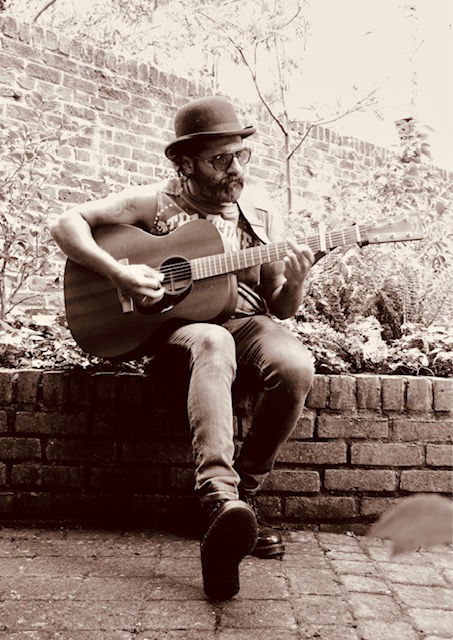
7- Comentaste que Mooreish va a ser tu último álbum por un tiempo. ¿Qué te atrae del formato single para esta nueva etapa?
You mentioned that Mooreish will be your last album for a while. What draws you to the single format for this next chapter?
(ESP): Libertad. Los álbumes exigen un compromiso emocional y logístico enorme. Los singles me permiten responder de forma más instintiva. Puedo lanzar algo cuando está listo, no cuando el ciclo del álbum lo exige.Llevar Mooreish desde la idea hasta el lanzamiento fue agotador. Me llevó más de dos años sacar todas esas canciones y, sinceramente, hacerlo sin apoyo de un sello puede ser muy pesado. Por eso, por ahora, el camino de los singles es el más lógico.
(ENG): Freedom, really. Albums demand a huge emotional and logistical commitment. Singles let me respond more instinctively. I can release something when it’s ready, not when an album cycle demands it.It took me more than two years to release all those songs, and quite frankly, without any label support, it can be exhausting. So singles is the way forward for now.
8- Después de todo el camino recorrido, ¿sentís que todavía hay algo importante que querés decir con tu música?
After all the road you’ve travelled, do you feel there’s still something important you want to say through your music?
(ESP): Siempre. Pero ya no me interesa decirlo a los gritos. Siento que hoy lo más importante está entre líneas. La sutileza es clave y se extraña bastante en la música actual.Si alguien escucha una canción y se siente comprendido en lugar de aleccionado, para mí ya es suficiente. No necesito tener las respuestas. Me siento más cómodo haciendo preguntas.
(ENG): Yes, always. I’m less interested in saying it loudly. I think the most important things now sit between the lines. Subtlety is important for modern songwriters and I have to say, this is lacking these days.If someone listens and feels understood rather than instructed, that’s enough. I don’t need the answers and, personally, I’m more comfortable asking questions.
Visita sus cuentas: Facebook, X, Spotify, BandCamp, YouTube e Instagram
(ESP): Por último, un agradecimiento especial a mi amigo Alfie, de Argentina, que edita todos nuestros videos. Shotgun está camino a alcanzar el millón de vistas en YouTube. Te queremos mucho, amigo, y espero conocerte en Buenos Aires algún día.
(ENG): Lastly, a special shoutout to my pal Alfie from Argentina who edits all of our videos. Shotgun is slowly going to rack up a million views on YouTube. We love you mate and I hope to meet you in Buenos Aires one day.